

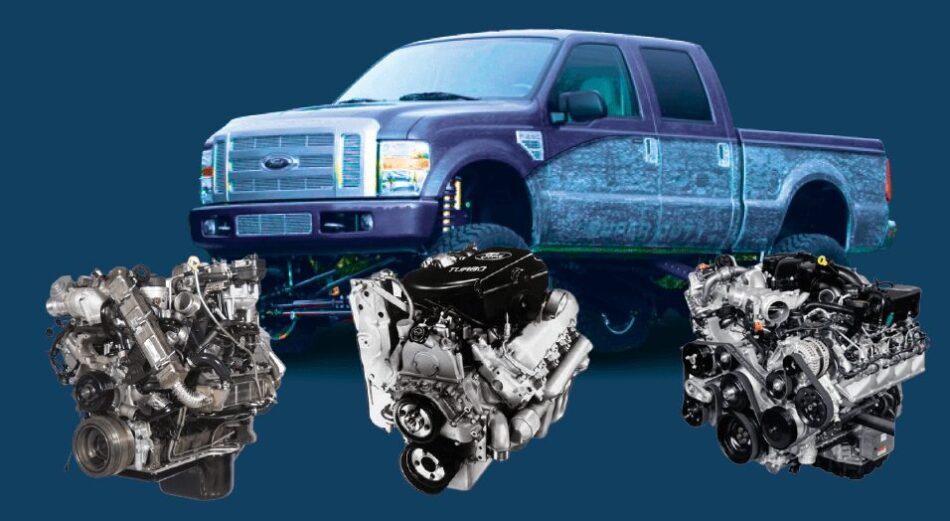
The Ford diesel engine lineup has long captivated enthusiasts and practical drivers alike, but not all variants are worthy of your investment or trust. Given the complexities of diesel technology, it is critically important for potential buyers to scrutinize their choices meticulously. This analysis rediscovers the gems and pitfalls within the Ford diesel portfolio, particularly focusing on three engines that have garnered a less-than-stellar reputation. Understanding these engines will not only enhance your automotive knowledge but also potentially save you from a regrettable financial decision.
When delving into Ford’s diesel offerings, one must first consider the durability and reliability of the engine. The heavily rugged and powerful diesel engines have a formidable standing in heavy-duty applications. However, certain models tarnish this image and may lead to costly repairs and aggravations. In the following sections, we will meticulously dissect three Ford diesel engines that merit your careful consideration—or avoidance.
1. The 6.0L Power Stroke Diesel
The 6.0L Power Stroke diesel, introduced in 2003, was designed to deliver robust performance and efficiency. Yet, it emerged as a notorious example of an engine that plagued its owners with a myriad of issues. Problems such as head gasket failures, turbocharger failures, and fuel injector malfunctions were rampant.
This engine utilized an innovative yet problematic design that included a complicated intake system, introducing a propensity for oil cooler and EGR (Exhaust Gas Recirculation) failures, leading many to label it as one of the less reliable offerings from Ford. Additionally, the engine’s penchant for excessive oil consumption further exacerbated its dubious reputation. If you are in the market for a diesel truck, steering clear of the 6.0L Power Stroke is prudent; instead, consider its successors, which reflect considerable advancements in engineering and reliability.
2. The 7.3L Power Stroke Diesel (in specific applications)
While the 7.3L Power Stroke diesel engine from the late 1990s and early 2000s is largely celebrated within the Ford community, some variations warrant caution. Notably, the trucks fitted with 7.3L engines that were plagued by substandard transmission outcomes lead to a less than gratifying ownership experience.
Beyond just the engine’s mechanics, the pairing with certain automatic transmissions induced a combination of reliability issues that could deter even the most ardent of fans. These anomalies could result in power loss during acceleration, erratic shifting, and eventual transmission failure. Potential buyers would do well to conduct thorough research into the specific year and model of the vehicle equipped with the 7.3L engine. This engine can indeed be a powerhouse, but vigilance is paramount.
3. The 6.4L Power Stroke Diesel
The introduction of the 6.4L Power Stroke in 2008 brought a wave of enthusiasm, boasting improved horsepower and torque figures. However, this engine soon revealed a penchant for various mechanical maladies, ultimately leading to widespread disillusionment among its users. The infamous radiator leaks, frequent EGR cooler failures, and an inclination towards fuel system contamination are among its most notorious failings.
The 6.4L’s architecture was also intertwined with an inefficient wastegate system, which ultimately compromised the thermal efficiency of the unit, contributing to turbocharger issues as well. Furthermore, the abandonment of a traditional approach in favor of a more modern yet complicated technology left owners scrambling for costly repairs and knowledgeable service technicians. Therefore, approaching any model equipped with the 6.4L engine necessitates thorough scrutiny, as the risks may overshadow the rewards.
Factors in Evaluating Diesel Engines
As the search for the ideal Ford diesel engine progresses, it’s advantageous to consider how various factors impact overall performance and longevity. Conducting a detailed inspection prior to purchase is imperative, as mechanical maladies can manifest in subtle ways. Consulting with mechanics specializing in diesel engines can provide insight into potential weaknesses you may indirectly inherit.
Moreover, user reviews and consumer reports are invaluable resources in assessing reliability and performance. Pay careful attention to discussions regarding modifications or systems that may have been introduced post-manufacturing. Even minor adjustments can significantly impact the performance thresholds of these engines.
The Broader Perspective
While this analysis shines a sobering light on particular Ford diesel engines to sidestep, it is essential to remember that the automotive market is replete with both forward-thinking innovation and backward-looking tradition. As Ford continues to evolve its diesel platform, many engines demonstrate commendable performance with fewer reported issues. Understanding the limitations of certain engines empowers you to make an informed, prudent choice. In an era characterized by rapid technological advancement, engaging with reliable models is essential for securing a dependable vehicle that meets your driving needs.
In summary, the nuances of diesel engine performance require discerning judgment during the acquisition process. By meticulously evaluating the 6.0L, 7.3L (in certain contexts), and 6.4L diesel engines, you refine your understanding of Ford’s diesel offerings and, ultimately, enhance your driving experience. Exercise wisdom and discernment in your choices, for the world of diesel has much to offer—but it also conceals its share of pitfalls to evade.

Leave a comment