

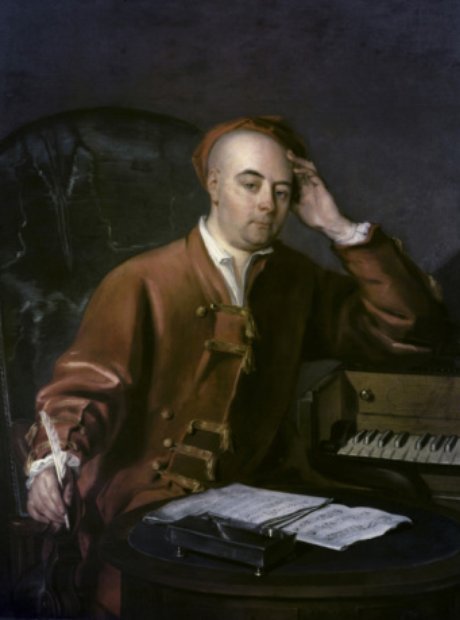
George Frideric Handel is often lauded as one of the quintessential figures in the history of Western classical music. His contributions are vast and varied, but among these, the oratorio stands out as a genre that he is largely credited with inventing and popularizing. Understanding the oratorio, along with its historical context and Handel’s unique contributions, requires a thorough examination of its defining characteristics, evolution, and the enduring legacy that Handel has imparted on this genre.
The oratorio evolved during the Baroque period, a time characterized by its ornate musical styles and dramatic flourishes. Initially conceived as a form of musical storytelling rooted in sacred texts, the oratorio was distinguished from opera by its lack of staging and dramatic action. However, the emotional weight and narrative depth inherent in an oratorio could rival that of a fully staged opera.
Handel’s oratorios emerged as innovative expressions of faith, morality, and humanity. His most celebrated work in this genre, “Messiah,” premiered in 1742 and has since transcended its initial religious context to become a cornerstone of the choral repertoire. The “Messiah” is especially notable not only for its theological underpinnings but also for its elaborate structure, which interweaves solo arias, choral segments, and orchestral interludes to create a unified work of profound spiritual impact.
To fully appreciate Handel’s genius, one must delve into the distinctive features that define the oratorio. First and foremost is its librettos, often derived from Biblical texts that illuminate the stories of saints, prophets, and divine events. Handel’s ability to set these sacred texts to music is remarkable; he harnesses the emotional power of language through melody. His mastery of contrapuntal writing and use of color in orchestration play a vital role in enhancing the narrative. For instance, the lush harmonies and dynamic contrasts in “Messiah” elevate the text’s impact, allowing the listener to experience both the anguish and ecstasy conveyed in the words.
Moreover, it is essential to distinguish the oratorio from its close relative, opera. While both forms share a foundation in storytelling through music, operas are typically staged with elaborate costumes and scenarios, while oratorios are performed in concert settings. This key difference allowed Handel to focus more on the spiritual and expressive dimensions of his work. His orchestration often reflected the emotive qualities of the text, employing strings, brass, and woodwinds to evoke rich atmospheres conducive to reflection and reverie.
Throughout his career, Handel produced an impressive array of oratorios, including “Esther,” “Saul,” and “Jephtha.” Each of these works exhibits his relentless pursuit of emotional authenticity. In “Saul,” for instance, the complexities of jealousy, ambition, and tragedy are manifested through the characters’ arias, filled with poignant melodies and dramatic shifts in dynamics. Handel’s ability to convey varying human experiences through his music is a testament to his innovative approach to composition within the oratorio genre.
In a broader historical context, the emergence of the oratorio also paralleled significant shifts in societal attitudes towards religion and spirituality during the 18th century. As religious fervor began to resound within the general populace, the oratorio offered a means of spiritual expression that was more accessible to common audiences. It also provided composers a platform to evade the strictures of ecclesiastical authorities, producing works that resonated with the public’s faith and values without needing direct clerical sanction.
Handel’s impact extends beyond mere composition; he played a pivotal role in the dissemination of the genre. His oratorios were performed across Europe, reaching wider audiences and inspiring future generations of composers, including Haydn and Mendelssohn, who drew upon Handel’s techniques and innovations. The oratorio became synonymous with the Baroque period, yet its vitality and relevance continued well into the Classical and Romantic eras, largely due to Handel’s seminal contributions.
The lasting impression of Handel’s oratorios can be seen in the contemporary choral repertoire, where performances of “Messiah” and other works continue to draw audiences into the depths of spiritual contemplation. As societies evolve and spiritual beliefs shift, the oratorio remains a poignant medium through which composers and performers explore the eternal themes of hope, redemption, and the human condition.
In conclusion, Handel’s innovation in the oratorio genre cannot be overstated. By intertwining sacred texts with compelling musical narratives, he opened the door to a new form of artistic expression. The oratorio stands as a testament to Handel’s genius, illustrating his profound understanding of the interplay between text and music. His legacy endures, shaping not only the future of choral and orchestral music but also impacting the cultural and spiritual landscapes across generations.

Leave a comment